

On open sand, use low water to identify gullies and banks. The flooding tide often brings fish into those features and closer to the beach.
Solea solea
Identification, season, habitat, bait, rigs and TideDeck shore marks relevant to Dover sole.
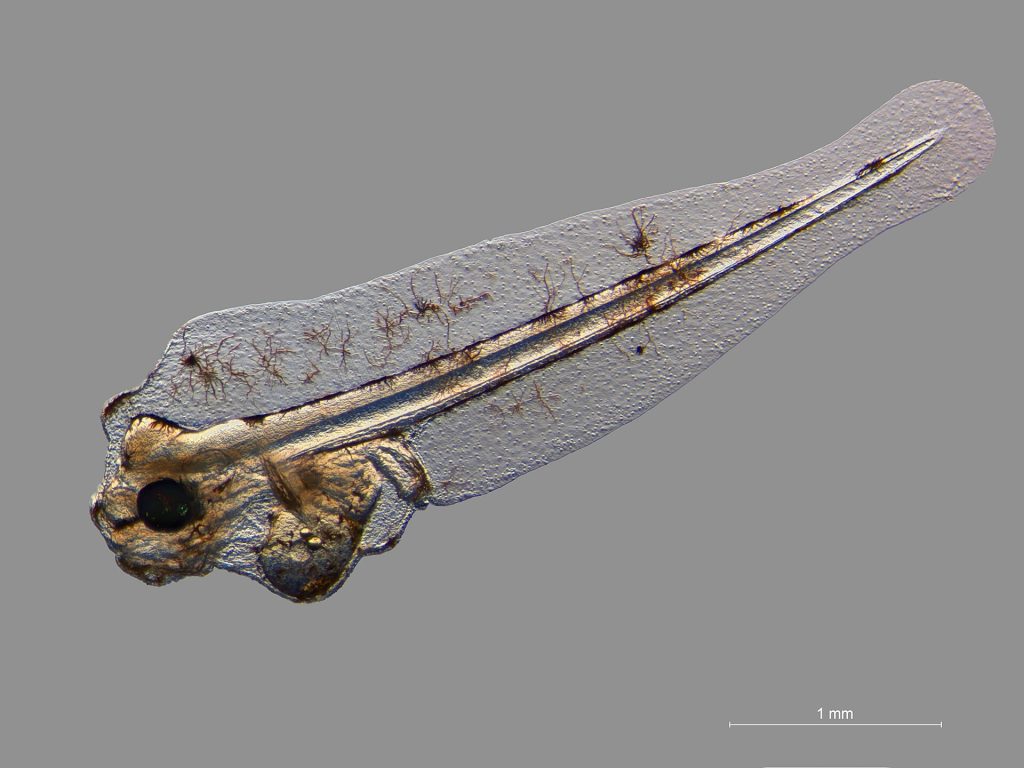
Elongated oval flatfish with a small curved mouth and dark upper surface.
Clean sand, muddy sand, estuaries and sheltered beaches.
Most associated with southern and western UK waters, with local variation.
Broad UK context, not confirmation of presence at every compatible mark.
Night fishing is particularly associated with shore-caught sole.
Small hooks, light traces and compact worm baits are commonly used.
Compare identification features with:
Dover sole is a UK shore-angling target associated with sand, estuary, shingle. Often targeted after dark over clean sand or mud with small hooks and worm baits.
Typical UK shore season: May–Oct. Timing varies around the UK with water temperature, region and weather, so treat the season as a planning range rather than a promise.
Useful ground types include sand, estuary, shingle. Fish position within a mark can change with tide stage, daylight, swell and food availability.
Common baits: lugworm, ragworm.
Common rigs or methods: two-hook flapper, running ledger.
Use the linked TideDeck bait, rig, month and location pages to build a session plan. Check current local rules and recent reports before travelling, especially where species availability or conservation measures can change.
Broad UK shore-fishing guidance; regional timing and water temperature can shift availability.
These are ground-type principles, not mark-specific claims. Use the live TideDeck page for the mark you plan to fish.
On open sand, use low water to identify gullies and banks. The flooding tide often brings fish into those features and closer to the beach.
Estuaries change quickly with the tide. Flooding water can push bass and flounder onto feeding ground; avoid soft mud and cut-off routes.
Steep shingle often gives useful depth close in. Fish the moving water around high tide, but adjust lead choice to the strength of the run.
Ground-type matches for planning and research, not confirmed catches or a claim that the species will be present.